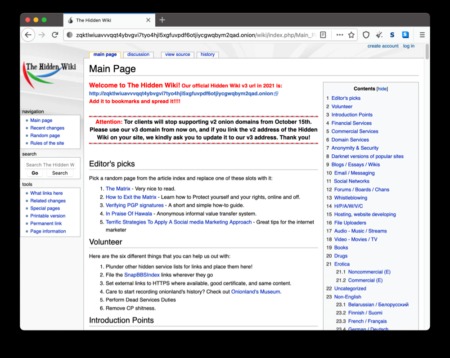

The .onion dark web represents a unique and often misunderstood part of the internet. While it is frequently associated with illicit activities, it also serves as a valuable resource for those seeking anonymity, privacy, and access to information that may not be available elsewhere. Understanding the .onion dark web can empower individuals to navigate this complex digital landscape safely and responsibly.
However, Onion Domains (.onion) are not "bought" or "registered". The biggest difference lies in who gives you the name and how it’s made. Each relay peels off one layer of encryption, revealing the next relay's address, until the final relay sends the request to the destination server. When a user connects to an onion website, their request is wrapped in multiple layers of encryption, and this encrypted "onion" is then sent through a series of volunteer-operated servers, known as relays. The name "onion" comes from the layered structure of the encryption, similar to the layers of an actual onion.
.onion Dark Web
The .onion domain is a special-use top-level domain that is only accessible via the Tor network, which anonymizes internet traffic to protect the identities and locations of its users. This layer of anonymity attracts a variety of users, from whistleblowers and activists in oppressive regimes to those seeking confidential information or services. However, it also draws individuals engaged in illegal activities.
How Does It Work?
To access the .onion dark web, users must download and install the Tor Browser, which can be obtained from the official Tor Project website. Once installed, it allows users to browse websites that exist on the .onion domain anonymously. Each .onion site has a unique URL, often consisting of a string of random characters, making it difficult to remember or find without prior knowledge or links.
- Best for analysts who want accurate, verified, and easy-to-navigate onion listings without needing to sift through endless unsafe pages.
- In 2013, documents leaked by former NSA contractor Edward Snowden revealed that the NSA targeted entry and exit nodes to identify Tor users.
- The dark web refers specifically to the content hosted on dark net networks.
- Enable MFA wherever possible to protect your accounts from unauthorized access.
- Join security leaders who rely on the Think Newsletter for curated news on AI, cybersecurity, data and automation.
Legal vs. Illegal Uses
While commonly associated with illegal trades, the .onion dark web serves many lawful purposes. Journalists, for example, may use this space to communicate securely with sources. Activists can share information about human rights abuses in areas where such communications could be dangerous if monitored. Understanding these non-criminal uses is essential for recognizing the dual nature of the .onion dark web.
Risks and Caution
Despite the potential for good, navigating the .onion dark web comes with significant risks. Users may encounter malicious actors, deceptive websites, or scams. It's important to exercise caution, avoid sharing personal information, and understand that engaging in illegal activities, even in the name of anonymity, can lead to severe consequences.
Staying Safe
- We at KELA help you move beyond basic dark web monitoring by providing real-time, contextualized intelligence from the cybercrime underground that focuses specifically on threats targeting your organization.
- Search engines on the dark web are a bit of an anomaly because they don’t follow the same rules and methods traditional search engines use to index websites.
- For businesses and cybersecurity professionals, however, they are a critical instrument.
- The story of dark web marketplaces kicks off with Silk Road, launched in 2011.
- Since the organization behind it is independent, it’s fully user-supported and relies on donations to keep its site up and running.
For those who choose to explore the .onion dark web, prioritizing safety and privacy is key. This includes using strong passwords, employing VPN services, and being wary of downloads or links that could compromise security. Engaging with reputable communities and forums can also provide users with valuable information regarding safe practices.
Conclusion
The .onion dark web is a multifaceted digital environment that requires careful navigation. By understanding its mechanics and potential uses, individuals can better inform themselves about their online safety and the broader implications of digital anonymity. Such knowledge is crucial, as the .onion dark web continues to evolve and shape the landscape of the internet.