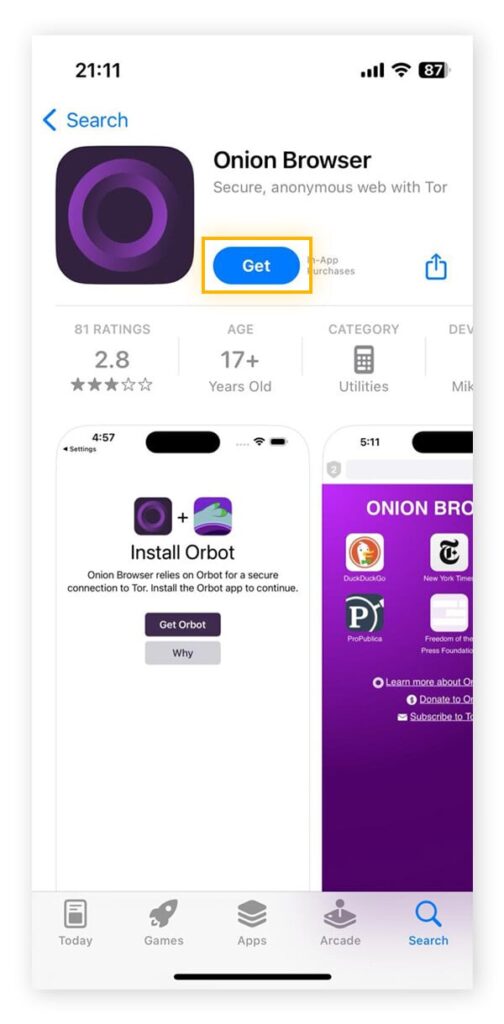

For example, legitimate sites, such as the BBC, the New York Times, ProPublica, and Facebook, have made their sites accessible as a Tor Onion URL to help people avoid government censorship. It routes users' traffic through thousands of volunteer-run servers called nodes/relays. Exit scams are a common (rather constant) threat on illegal darknet markets and also in some other sectors, such as… You don’t go to Google or another normal search engine to find sites on the dark web. Deep web constructs can include all those private company databases, academic portals, and all your password-protected accounts. The deep web is all the information that search engines cannot index or don’t have the ability (permission to index).
The internet we use daily is just the tip of the iceberg. Beneath the surface lies a vast and intriguing realm known as the dark web. Browsing the dark web can be daunting, but understanding its structure and purpose is essential for anyone interested in cybersecurity, privacy, and digital safety. This article aims to educate readers on the intricacies of the dark web, enabling informed decision-making and enhancing personal security.
- Darknet addresses could receive data from ARPANET but did not appear in the network lists and would not answer pings or other inquiries.
- Learn how to navigate the dark web with top onion browsers and a lightweight VPN.
- Just note that although you’ll be anonymous, you won’t have the speed or convenience of a direct connection, and some sites might block you outright.
- Below is a comparative analysis highlighting key criteria such as connection speed, level of anonymity, ease of use, and support quality for the top options available in 2025.
- Let’s find your key to safe access to the best dark web sites and anonymous browsing.
- Tor provides strong anonymity but it’s not foolproof against well-resourced adversaries.
If you're researching how to access the deep web, you'll definitely come across Tor. These browsers apply multi-layered encryption, route traffic through multiple nodes, and automatically erase browsing traces. You can’t directly access dark web sites with Chrome, Safari, or Firefox (although Firefox can be adapted with special add-ons). You need a specialized browser that encrypts your traffic, hides your IP, and makes your activity on these networks virtually invisible.
Browse Dark Web
The dark web is a part of the internet that isn't indexed by traditional search engines. It requires specific software, configurations, or authorization to access. The most common method for accessing the dark web is through the Tor browser, which anonymizes users’ locations and usage by routing traffic through multiple servers worldwide.
What is the Dark Web?
The dark web encompasses various sites and services not accessible through standard web browsers. Some of its key characteristics include:
- Requires special software to access (e.g., Tor, I2P).
- Offers content that is often illegal or unethical, but also includes legitimate resources.
- Provides anonymity for users and hosts, which can protect privacy but also facilitate illegal activities.
Why Do People Browse the Dark Web?
- Law enforcement agencies monitor the dark web for stolen data and criminal activity, while major media organizations track whistleblowing sites for news.
- Tails (The Amnesic Incognito Live System) is not just a browser, but a standalone operating system specifically created for security and anonymity.
- Malicious or misconfigured exits can inject content into insecure pages or log requests.
- Exposed personal data can lead to identity theft.
Individuals may browse the dark web for several reasons, including:
- Privacy: Seeking anonymity to communicate or share information safely.
- Political dissent: Activists in oppressive regimes often use the dark web to protect their identity.
- Research: Journalists or researchers explore the dark web to understand cyber threats and illicit activities.
- Access to restricted content: Users may seek information or services not available in their regions.
How to Safely Browse the Dark Web
For those who decide to explore the dark web, safety should be a primary concern. Here are essential tips:
- Use the Tor Browser: Download it from the official Tor Project website. Avoid using other browsers to access .onion sites.
- Enable security settings: Adjust the Tor browser settings for added security, such as disabling scripts.
- Utilize a VPN: A Virtual Private Network adds an extra layer of anonymity by masking your IP address.
- Be cautious with personal information: Never share personal details, as anonymity is crucial.
- Avoid illegal activities: Engaging in illegal activities can have serious consequences.
FAQs About the Dark Web
Here are some common questions about browsing the dark web:
1. Is all content on the dark web illegal?
No, while the dark web is known for illegal activities, it also hosts legitimate sites focused on privacy, free speech, and activism.
2. Can I get caught while browsing the dark web?
Yes, authorities can monitor activity on the dark web. It’s vital to follow safety protocols to protect your identity.
3. Do I need specific skills to browse the dark web?
Basic computer skills are sufficient to start browsing, but understanding security and privacy best practices is crucial.
4. What should I do if I encounter illegal content?
If you unintentionally stumble upon illegal content, it’s best to exit immediately and report it to the appropriate authorities.
Exploring the dark web can provide valuable insights into hidden aspects of the internet. However, it comes with significant risks. By adhering to best practices and remaining informed, users can browse the dark web more safely and responsibly, unlocking knowledge while minimizing potential dangers.