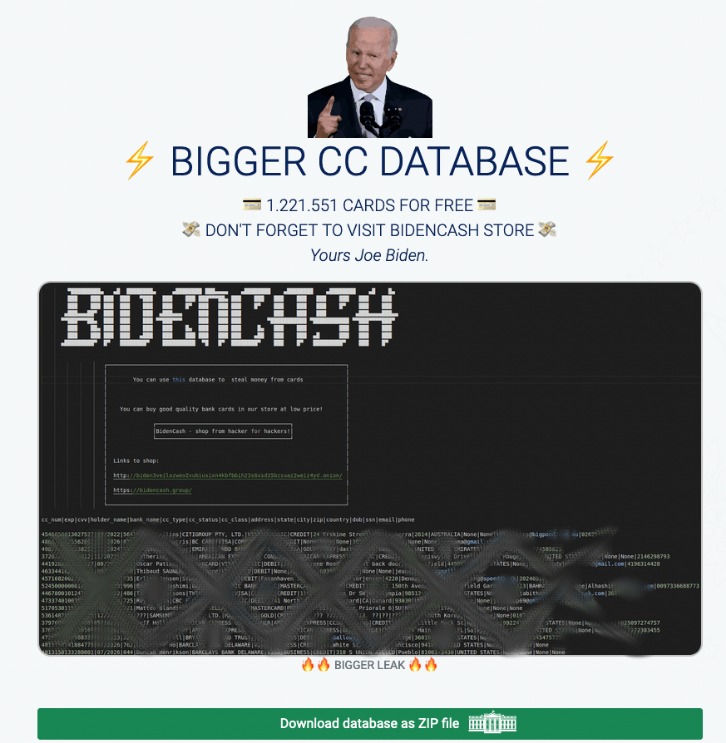

The dark web, a hidden part of the internet, is notorious for hosting various illegal activities, including carding. In this article, we will explore the topic of carding on the dark web. In this article, we will provide you with valuable insights and tips to ensure your online security and privacy while exploring the dark web.
The dark web is a hidden part of the internet that houses various illicit activities, one of which is carding. Understanding how carding dark web works is essential for raising awareness and safeguarding oneself against financial fraud. This article aims to demystify carding, its implications, and how individuals can protect themselves from becoming victims of such schemes.
Purchasing and using stolen credit cards is treated as a serious criminal offense with substantial legal consequences, both in the United States and across the European Union. This incident involved security researchers and law enforcement agencies cooperating to breach the marketplace’s servers, exposing approximately 26 million stolen credit card records valued at nearly $414 million. One of the most notable dark-web marketplace shutdowns involved Joker’s Stash, previously the largest marketplace for stolen credit cards.
This is because darknet marketplaces enable criminals to make quick profits. Regarding the intertwinement of the three ecosystems (topic-wise), underground forums and chat channels can be considered siblings, while the darknet, in this case, would be a distant relative. In contrast, the darknet is mostly used for selling illegal software, data, and goods. Conversely, subscription selling may be seen as more low-risk from a criminal’s perspective – explaining why the relatively more easily accessible platforms like forums (which are partly on the clearnet) and chats (which are all on the clearnet) host more of these discussions.
What is Carding?
Carding refers to the practice of using stolen credit card information to make unauthorized purchases or to sell this information to others. The dark web provides a secretive platform where these transactions can take place, often under the radar of law enforcement. Here are some key aspects of carding:
- Stolen Information: Carders usually obtain credit card data through phishing, data breaches, or purchasing it from other criminals.
- Tools and Resources: The dark web has numerous forums and marketplaces dedicated to buying and selling stolen cards, spoofs, and software used for carding.
- Money Laundering: Carders often use various methods to convert stolen funds into cash, such as using "money mules" or purchasing items that can be resold.
How Carding Works
Carding operates on a series of steps that can vary in complexity:
- These technologies continuously improve their detection accuracy by learning from new fraud cases and consumer behavior patterns.
- Law enforcement agencies worldwide are actively working to identify and prosecute carders to deter cybercriminals from engaging in these illicit activities.
- This need to learn how to operate/build sniffers or build relationships with sniffer/skimmer operators has lessened the appeal of carding.
- They claimed that “sniffers” (see the next section) might be misidentifying other types of data as carding data.
- By correlating signals across multiple surfaces, such as marketplace-related discussions, leak announcements, and off-platform coordination, Dexpose helps security teams detect threats earlier and with greater confidence.
- Information Acquisition: Criminals obtain credit card information through various illicit means.
- Verification: The stolen card details are checked for validity, often using automated tools available on dark web forums.
- Purchase: Once verified, carders use the information to make online purchases or resell the credit card details.
- Cashout: The final step involves converting goods or services obtained through fraud into usable cash.
Risks and Consequences
Engaging in carding poses significant risks not only to the victims but also to those who participate in these transactions:
- Legal Consequences: Carding is a criminal offense that can result in severe penalties, including imprisonment.
- Financial Loss: Victims of carding often suffer from substantial financial loss, leading to long-term consequences on their credit scores.
- Identity Theft: Victims may also face identity theft issues, further complicating their situation.
Protecting Yourself Against Carding
To shield yourself from falling victim to carding, here are some preventative measures:
- Monitor Your Accounts: Regularly check bank and credit card statements for unauthorized transactions.
- Use Strong Passwords: Create complex and unique passwords for online accounts, and enable two-factor authentication.
- Secure Personal Information: Be cautious about where and how you share your personal and financial data online.
Frequently Asked Questions (FAQs)
What should I do if I find unauthorized transactions on my account?
Contact your bank or credit card provider immediately to report the transactions and dispute any unauthorized charges.
Can carding be traced by law enforcement?
While the dark web is designed for anonymity, law enforcement agencies use advanced techniques and surveillance to track down and prosecute carding activities.
Is it possible to fully eliminate the risk of carding?
While you can't entirely eliminate risks, staying informed and adopting stringent security measures can significantly reduce your vulnerability to carding.
Understanding carding dark web is vital in today’s digital age. By remaining educated and vigilant, individuals can better protect themselves and navigate the complexities of online security threats.