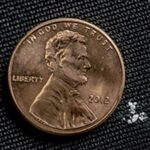

Substance use and its methods can be a topic shrouded in confusion and misinformation. Understanding the implications and dangers of different drugs is vital for informed decisions. In this article, we will explore the question: can you shoot crack? By shedding light on the subject, we aim to provide crucial information for those seeking to educate themselves on the risks and realities of drug use.
In the United States, cocaine is a Schedule II drug under the Controlled Substances Act, indicating that it has a high abuse potential but also carries a medicinal purpose. As a guideline, Schedule I drugs carry a maximum seven-year prison sentence for possession for an indictable offense and up to life imprisonment for trafficking and production. In most states (except in the United States) crack falls under the same category as cocaine. Use of cocaine in a binge, during which the drug is taken repeatedly and at increasingly high doses, leads to a state of increasing irritability, restlessness, and paranoia. A typical response among users is to have another hit of the drug; however, the levels of dopamine in the brain take a long time to replenish themselves, and each hit taken in rapid succession leads to progressively less intense highs. Some users will frequently increase their doses to intensify and prolong the euphoric effects.
For instance, cookers, the small bottle-cap type vessels used to prepare drugs, are often the most efficient containers to share drugs among injectors. Previous studies (Johnson & Ouellet, 1996; Kinzly, 1998; Carlson et al., 2000) have reported that injectors convert crack into a solution by using acids such as lemon juice and vinegar, but these reports do not specify the particular drug preparation details. Consequently, IDUs who seek to inject crack are faced with the problem of transforming the rock into a soluble form that can be pulled into a hypodermic syringe. Study findings indicate that methods of preparing crack for injection were impacted by a transforming agent, heat applied to the “cooker,” heroin use, age of the injector, and geographic location of the injector. Possession of syringes used for illicit drug injection can also lead to arrest depending on local laws.
After using crack, people come down or “crash.” The crash makes the world seem grey and sad. The more you use, the greater the risk—but even taking the same or smaller amounts than you’ve used in the past can have bad effects. Even people who are not ready to give up crack can learn ways to use it more safely, and to plan for the day when they are ready to give it up. The good news is that people can and do stop using crack. The more often people use crack, the more they crave it, and the harder it is to control their use.
Can You Shoot Crack
Crack cocaine is a powerful stimulant drug derived from powdered cocaine, known for its intense but short-lived high. While many people are familiar with the concept of smoking crack, a lesser-known method of consumption is injection. The process of injecting crack involves mixing the substance with a diluent, such as water, and then drawing it into a syringe for administration.
The Dangers of Injecting Crack
Injecting crack can pose serious health risks. Unlike smoking, which allows for a rapid onset of effects through the lungs, injecting introduces the drug directly into the bloodstream, leading to an immediate and much more intense high. However, this method significantly increases the risk of overdose due to the rapid delivery of the drug. Additionally, injecting crack can cause a range of complications, including:
- Previous studies (Johnson & Ouellet, 1996; Kinzly, 1998; Carlson et al., 2000) have reported that injectors convert crack into a solution by using acids such as lemon juice and vinegar, but these reports do not specify the particular drug preparation details.
- “Freebase” is a term in chemistry that refers to the chemical compound structure of an alkaloid like cocaine or nicotine.
- The risks include infections, overdose, vein damage, and transmission of bloodborne diseases like HIV or hepatitis.
- Tie off an arm or leg above potential injection sites with a tourniquet to make veins more prominent.
- Repeated injection of cocaine or any drug can also increase your risk of developing an infection.
- Infection: Sharing needles or using non-sterile equipment can lead to severe infections, including HIV and hepatitis.
- Vascular Damage: Repeated injections can damage blood vessels, leading to problems like collapsed veins.
- Cardiovascular Strain: The stimulant nature of crack can put immense strain on the heart, leading to heart attacks or other serious conditions.
Reasons Some Choose Injection
Some individuals may choose to inject crack due to the immediate and intense high it produces. The effects can be much stronger than smoking, which can create a powerful psychological pull for those seeking a heightened experience. However, it's essential to weigh these temporary feelings against the long-term health risks associated with this method of use.
Support and Resources
For those struggling with substance use, it is crucial to seek help. Numerous resources and support systems exist to assist individuals in overcoming addiction. Programs focused on recovery can provide valuable information, counseling, and connections to medical professionals experienced in treating substance use disorders.
Conclusion
In summary, while the question can you shoot crack is straightforward, the implications are far from simple. Understanding the risks associated with this method of consumption is essential for making informed decisions. Educating oneself about drug use is the first step towards harm reduction and ultimately, recovery.