

In today’s digital age, understanding the threats that exist online is crucial for protecting personal information and financial assets. One alarming aspect is the trading of credit card dumps dark web, a practice that involves the purchase and sale of stolen credit card information on illicit platforms. This article seeks to inform readers about this issue, shedding light on how these activities operate and offering tips on how to safeguard against them.
The breach was kept secret under a super-injunction, which was partially lifted in July 2025, allowing the BBC and others to report the incident. The UK Ministry of Defence set up a covert Afghanistan Response Route (ARR) following the breach. One Afghan individual who obtained the data posted part of it on Facebook and was later granted expedited entry into the UK — a move government sources described as “essentially blackmail.” The company launched an investigation with cybersecurity experts and began notifying individuals on July 8, 2025, including filing a notice with the New Hampshire Attorney General. The breach exposed names and Social Security numbers of affected individuals. Allianz reported the incident to the FBI and stated there is no evidence of intrusion into its core systems, including its policy administration platform.
- This case illustrates how weaknesses in third-party systems can lead to major data breaches.
- That merchant specifically mentioned that using a stolen card on a store that uses Verified by Visa (VBV) will likely void the card.
- The data format, which includes user agents and victim IP addresses typically observed in both local and global phishing attacks, allows us to assert with high confidence that it originated from such activities.
- Instead, individuals are encouraged to prioritize ethical and legal means of earning a living and conducting financial transactions.
- According to a 2023 report by the Federal Trade Commission (FTC), U.S. consumers reported losing more than $8.8 billion to fraud in the previous year alone, with credit card fraud accounting for a substantial portion of these losses.
Credit Card Dumps Dark Web
The dark web is known for its anonymity and lack of regulation, making it a fertile ground for cybercriminals. Here’s what you need to know about credit card dumps and how they are used in illegal activities:
What Are Credit Card Dumps?
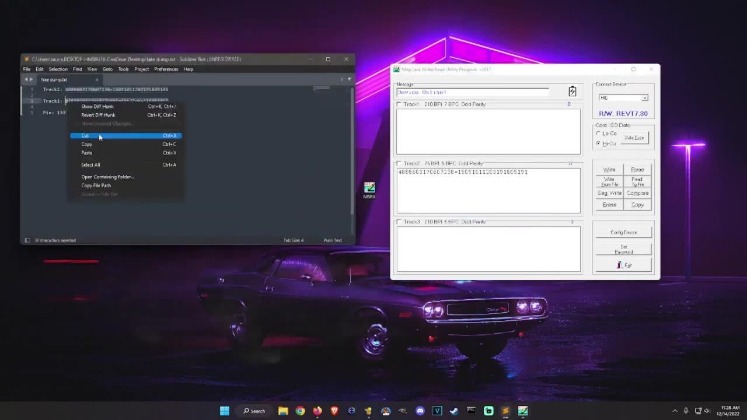
Credit card dumps are data files that contain the information encoded on the magnetic stripe of a credit card. When stolen, this information can be exploited for fraudulent transactions. Here are common elements found in credit card dumps:
- Card number
- Cardholder’s name
- Expiration date
- CVV code
- Track data (magnetic stripe information)
There’s an underground ecosystem where sensitive data is bought, sold, and traded—not just on the dark web, as you might expect, but also on publicly accessible websites, channels, and forums. Trail techs – Elite Russian hacking & carding crew sharing pro-level tools, methods, and knowledge to level up your game. Premium dumps, fresh CVV, fullz, bank logs, and a knowledge base that’s worth more than the tools themselves.
How Credit Card Dumps Are Sold on the Dark Web
The dark web is a network of websites that are not indexed by standard search engines, requiring specific software, such as Tor, to access. Within this space, cybercriminals have set up marketplaces that facilitate the sale of stolen credit card information. The process typically involves:
- Acquisition: Hackers obtain credit card data through various means such as data breaches, phishing, or malware.
- Posting: The stolen information is then posted for sale on dark web forums and marketplaces.
- Transaction: Buyers can purchase these dumps often using cryptocurrencies to remain anonymous.
Risks Associated with Credit Card Dumps
Engaging with credit card dumps, either as a buyer or seller, carries substantial risks. These include:
- Legal consequences: Being caught dealing in stolen information can lead to severe legal penalties.
- Financial loss: Victims of credit card fraud often face significant financial consequences, including loss of funds and damage to credit scores.
- Identity theft: Stolen credit card information can lead to broader issues of identity theft.
Protecting Yourself from Credit Card Fraud
Awareness is key to safeguarding your financial information. Here are proactive measures you can take:
- Monitor your bank statements regularly for unauthorized charges.
- Use strong, unique passwords for online accounts.
- Enable two-factor authentication wherever possible.
- Be cautious of unsolicited emails or messages that request personal information.
- Consider using credit monitoring services for added protection.
FAQs About Credit Card Dumps on the Dark Web
What can happen if my credit card information is stolen?
If your credit card information is stolen, fraudsters could make unauthorized transactions, leading to financial loss and complications in disputing the charges.
How can I tell if my credit card information has been compromised?
Often, unexpected charges on your statements or notification from your bank can indicate a breach. Staying vigilant and monitoring regularly can help in early detection.
Is it illegal to buy or sell credit card dumps?
Yes, both buying and selling stolen credit card information is illegal and punishable under various laws in most countries.
Understanding the implications of credit card dumps dark web is essential for fostering online safety and awareness. By staying informed and taking necessary precautions, individuals can significantly reduce their risk of becoming victims of credit card fraud.