
“On major marketplaces, a single stolen card often costs about the price of a movie ticket,” said Adrianus Warmenhoven, cybersecurity expert at NordVPN. Stolen payment card details from South Africa on average fetch $6.64 (R114.45) each on the dark web, research from NordVPN reveals. Learn the basics of credit card cards, including features, fees, and rewards to make informed decisions about your credit card usage. These platforms serve as hubs for cybercriminals to buy and sell compromised payment card details. These platforms are hubs for cybercriminals to buy and sell compromised payment card details.
The dark web remains a topic of intrigue and concern, especially with the increasing reports of illicit activities that take place within its hidden corners. Among the many illegal transactions on the dark web, dark web credit cards have emerged as a point of interest. Understanding what they are, their implications, and the associated risks is essential for anyone wishing to navigate the complexities of online finance safely. This article aims to educate readers on the realities of dark web credit cards, emphasizing awareness to promote safety and informed decision-making.
In this section we focus on escrow marketplaces, where anyone with enough cash to pay the “vendor bond” can sign up and start selling. This means they typically have a high turnover of listings, sometimes into the millions. They differ from escrow marketplaces in that the transaction is automated (hence the name), meaning that there is little to no contact with the seller.
What Are Dark Web Credit Cards?
Several incidents have been reported in recent times on hackers selling stolen information on the darknet markets. Common cards, as previously noted, run from $8 and $70, per card and generally comes with fullz. The dark web is the digital equivalent of the black market, and there’s no limit to the sensitive, personal information available for purchase in the dark underworld of hackers. The payment information is then posted for sale on the dark web where other threat actors can purchase and use it.
Dark web credit cards refer to stolen credit card information that is bought and sold on various dark web marketplaces. Cybercriminals acquire these details through various means, including data breaches, phishing attacks, and skimming devices. Once obtained, card details can be purchased by others for fraudulent transactions.
How Do They Work?
The process of acquiring dark web credit cards generally involves several steps:
- Data Breach: Hackers infiltrate secured databases of businesses and steal customer credit card information.
- Marketplace Listing: Stolen data is then listed on dark web marketplaces, often categorized based on card type, country, and available balance.
- Purchase and Use: Buyers purchase these details with cryptocurrency to maintain anonymity. They may use these cards for online purchases or in account takeovers.
Risks of Using Dark Web Credit Cards
While some may be tempted to engage with dark web credit cards, there are significant risks involved:
- Legal Consequences: Engaging in the purchase and use of stolen credit card information is illegal and can lead to severe legal repercussions.
- Loss of Money: Fraudulent purchases can result in losing your money or facing account closures.
- Identity Theft: Those who use stolen credit card data may face risks of further identity theft.
- Exposure to Scams: Many dark web marketplaces are rife with scams that can lead to monetary losses without delivering any genuine product.
Staying Safe Online
Understanding the dangers of dark web credit cards is crucial in promoting safer online practices. Here are some tips for individuals to enhance their online security:
- I’ve investigated too many breaches where malware jumped from an infected office computer to the payment network.
- In this section we focus on escrow marketplaces, where anyone with enough cash to pay the “vendor bond” can sign up and start selling.
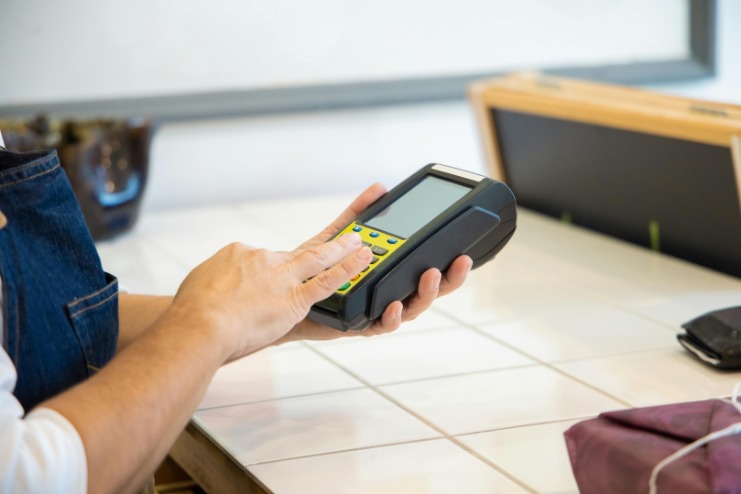
- Sometimes hackers will commit "card-present fraud" by breaching the point of the sale at a physical store.
- Research cited by Cybersixgill indicates that European countries are hit by less credit card fraud because they jumped on the EMV bandwagon earlier than their American counterparts.
- For some, the information also included payment card numbers and expiration dates, though these were apparently encrypted.
- Use Strong, Unique Passwords: Maintain various passwords across accounts and use a password manager.
- Monitor Bank Statements: Regularly check your financial statements for any unauthorized transactions.
- Enable Two-Factor Authentication: This additional security layer helps protect accounts from unauthorized access.
- Educate Yourself and Others: Awareness is key. Discuss the risks of online fraud and the implications of dark web activities.
FAQs About Dark Web Credit Cards
1. Are all credit card transactions on the dark web illegal?
Yes, any purchase involving stolen credit card information is illegal and punishable by law.
2. How can I tell if my credit card information has been compromised?
Look for unfamiliar transactions on your bank statements, and consider enrolling in identity theft protection services for additional security.
3. Can I report dark web activities to law enforcement?
Yes, reporting suspected illegal activities can help authorities address cybercrime and protect others from harm.
By educating ourselves about the realities of dark web credit cards and other online threats, we can foster a safer digital environment. Stay informed, vigilant, and proactive when it comes to personal online security.