
The dark web has long fascinated many due to its association with anonymity and illicit activities. One topic that frequently arises within this hidden part of the internet is the trade of stolen credit cards. Understanding how this underground economy operates can be crucial for individuals and businesses to safeguard their financial information and combat fraud. This article explores the dynamics of dark web credit card trafficking, the implications it has, and how individuals can protect themselves.
What is the Dark Web?
The dark web is a part of the internet that requires specific software to access. Unlike the surface web, it operates on an encrypted network, making it highly anonymous. While it is notorious for illegal activities, it also serves legitimate purposes, such as providing a platform for free speech in oppressive regimes.
The Medusa ransomware group claimed responsibility for the attack, alleging they exfiltrated over one terabyte of data from NASCAR’s systems. In early April 2025, TNT reported a ransomware attack on their systems, which led to the extraction of some customer data belonging to both banks. LexisNexis is offering two years of free identity protection and credit monitoring to affected individuals while facing potential class-action lawsuits. After the company ignored ransom demands, hackers leaked 1,104 files containing sensitive employee data on dark web forums. This month’s breaches underscored recurring vulnerabilities tied to third-party vendors, insider threats, and outdated software systems. The attackers gained unauthorized access to the company’s U.S. network and exfiltrated a massive amount of data, threatening to leak it on the dark web after Ahold Delhaize refused to pay the ransom.
Obviously, financial institutions bear the heaviest burden. These markets have evolved their own reputation systems, with escrow services and vendor ratings that mirror legitimate e-commerce platforms. After obtaining the data, sellers don’t just dump it on markets, they package it strategically. The Magecart group pioneered this technique, compromising thousands of online stores by exploiting vulnerabilities in popular e-commerce platforms.
How Credit Card Information is Sold on the Dark Web
Criminals acquire credit card information through various means, including:
- Only accessible by a specific browser, the dark web keeps traffic anonymous.
- This is not the first time Zoomcar has been impacted, with a prior breach in 2018 affecting a smaller number of users.
- Recent studies reveal that 63% of U.S. credit card holders have been victims of fraud, and over 50% experienced it more than once.
- Hackers claimed to have stolen sensitive data and demanded a ransom to not leak it.
- The attack is linked to a larger, ongoing campaign by the hacking group ShinyHunters, which uses social engineering tactics to exploit weaknesses in Salesforce integrations to steal data from a wide range of companies.
- The Clop ransomware group gained unauthorized access, compromising the sensitive personal information of approximately 22,000 customers.
Initially, this specific marketplace started out by leaking thousands of credit cards. Hackers may penetrate financial or retail systems to steal payment details. Your credit card number can land on the dark web through various breaches. You’ve understood how to respond if your credit card number is found on the dark web, but how can you prevent it from being exposed in the first place? Regularly review your credit card statements and bank transactions for any unauthorized activity. If your credit card number or other details are detected on the dark web, you will be immediately alerted, allowing you to take protective measures.
- Phishing scams: Fraudulent emails or websites designed to steal personal information.
- Data breaches: Targeting organizations to access their databases for customer information.
- Skimming: Devices used at ATMs or point-of-sale terminals to capture card information.
The Process of Buying and Selling
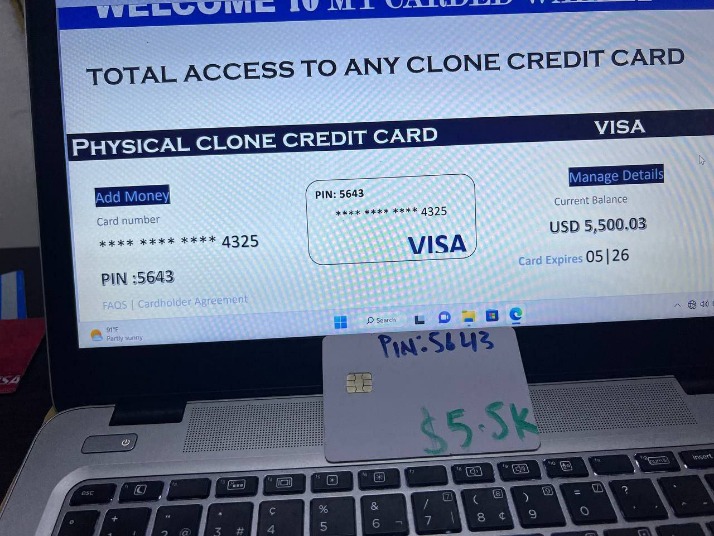
Once stolen, credit card details can be sold on the dark web in various ways:
- Direct sales: Sellers post listings on dark web marketplaces.
- Carding forums: Dedicated platforms where users discuss tactics for using stolen cards.
- Bundled packages: Bundles that include card data along with personal identification information.
Risks of Dark Web Credit Card Transactions
Engaging with dark web credit card transactions carries significant risks, such as:
- Legal consequences: Both buyers and sellers can face severe legal action, including fines and incarceration.
- Financial loss: Transactions are typically irreversible and fraudulent.
- Identity theft: Information shared on the dark web can lead to further exploitation.
How to Protect Yourself
Staying safe online requires vigilance and proactive measures:
- Use strong passwords: Create complex passwords and change them regularly.
- Monitor credit reports: Regularly check for any unauthorized activity.
- Educate yourself about scams: Stay informed about the latest tactics used by cybercriminals.
Frequently Asked Questions
Can I completely avoid the dark web?
While it is challenging to completely avoid the dark web, you can minimize your risk by practicing safe internet habits and being cautious with your personal and financial information.
What should I do if my credit card information is stolen?
If you suspect your credit card information has been compromised, contact your bank immediately to report the issue and monitor your accounts for any unauthorized transactions.
Is the dark web legal?
Accessing the dark web is not illegal in itself; however, engaging in illegal activities, such as purchasing stolen credit card information, is against the law.
Understanding the ins and outs of dark web credit card activities is essential for everyone. By adopting protective measures and staying informed, individuals can better safeguard their financial information and contribute to a safer online environment.