
The internet is a vast and complex landscape that encompasses numerous layers of information. While many are familiar with the surface web, the dark web remains a largely misunderstood segment of this digital world. A dark web search engine serves as a portal to this concealed portion of the internet, providing users access to a wealth of information that is unavailable through traditional means. Understanding how these search engines function can help users navigate this often-misrepresented space safely and responsibly.
Security professionals have legitimate reasons to search the dark web. Some operate exclusively on Tor while others maintain surface web interfaces that display dark web results. The entire dark web is invisible to conventional search. Google’s crawlers can’t connect to Tor, so they never see these sites. This works because surface web URLs resolve through the standard DNS system that everyone uses.
Overall, DarkWebLinks and similar directories are like guidebooks for the dark web. For instance, journalists might use DarkWebLinks to find established forums where hackers hang out, as opposed to discovering a fake forum via search that’s actually a phishing trap. Using a directory is a good first step if you’re looking to explore the dark web cautiously.
What is the Dark Web?
Pentesters search for those leaked creds there are specialized search engines and datasets for this. DarkWebLinks is not a traditional search engine but rather a curated directory of popular dark web sites. DeepSearch is an open source dark web search engine focused on accuracy over quantity. DuckDuckGo’s results are safe in the sense that they won’t include outright illegal onion links; they focus on normal web content.
The dark web is a part of the internet that isn't indexed by standard search engines like Google or Bing. It requires specific software, configurations, or authorization to access. One of the most common ways to explore this hidden realm is via the Tor network, which anonymizes users and allows them to browse websites ending in .onion. Though often associated with illegal activities, the dark web also hosts forums, academic resources, and various other forms of content.
Understanding Dark Web Search Engines
- The filtering process ensures that nothing relating to child abuse, extremely immoral criminal acts or known scamming websites will show up in the search.
- With its "Tor Anonymous View" feature, Toorgle lets users view onion sites securely, hiding IP addresses and maintaining privacy without JavaScript or tracking.
- Predicting privacy issues in 2026, when online risks are expected to rise, many users are on the lookout for dependable methods of accessing hidden services without their identity being revealed.
- Even with safe search tools, the dark web can be perilous.
- Candle is a web crawler and dark web search engine for Tor’s onion services.
- While many dark web sites host illegal content, Ahmia helps make legitimate onion sites more accessible by weeding out some unsafe websites.
A dark web search engine helps users navigate the complexities of the dark web by indexing sites that aren't accessible via traditional internet searches. These engines employ unique algorithms tailored to the specific structure and requirements of the dark web.
- For example, the BBC website is not accessible in such countries.
- Download Avast SecureLine VPN to encrypt your internet connection and protect your privacy wherever you go online.
- Torch’s philosophy is to provide broad access and let the user beware.
- It is possible to navigate the dark web even though it doesn’t host user-friendly onion search engines.
- Sometimes it can feel a bit bare bones or slow, likely because it’s run by volunteers and not a big company.
- It might show you directories or references to them, but for serious dark web exploration you’ll need other engines on this list.
Characteristics of Dark Web Search Engines
- Anonymity: Many dark web search engines prioritize user privacy, allowing individuals to search without revealing personal information.
- Specialized Indexing: They often categorize content based on themes or keywords that are relevant specifically to dark web sites.
- Limited Accessibility: Users often need to install the Tor browser or other specialized tools to access these search engines.
Popular Dark Web Search Engines
There are several notable search engines that cater specifically to the dark web:
- Ahmia: This engine indexes Tor hidden services and provides a clean interface for users to find content while maintaining a focus on safety.
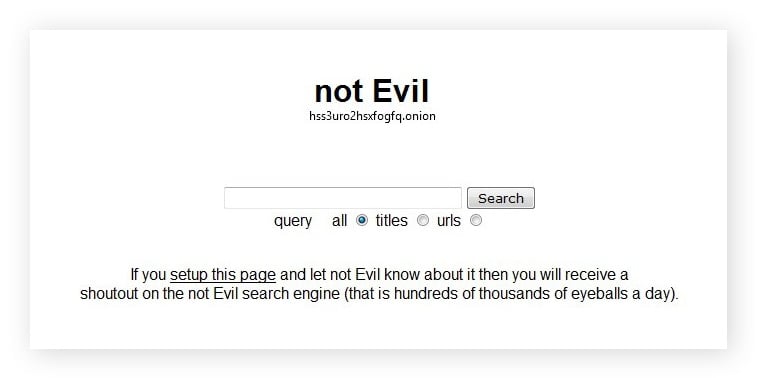
- Not Evil: A search engine designed with a more straightforward approach, allowing users to search anonymously and discover various dark web sites.
- DarkSearch: This engine operates similarly to traditional search engines but is focused exclusively on the dark web, offering a wide range of indexed sites.

Safety Considerations When Using Dark Web Search Engines
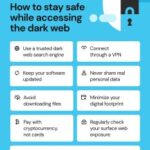
Navigating the dark web requires caution. Here are essential safety tips:
- Use a VPN: A Virtual Private Network (VPN) can add another layer of protection, ensuring your internet activity remains private.
- Be Wary of Links: Links found on the dark web can lead to harmful or illegal content. Always verify sources before clicking.
- Stay Anonymous: Avoid sharing personal information while exploring; maintaining anonymity is crucial for safety.
Conclusion
A dark web search engine can provide access to valuable information and resources that may not be available on the surface web. However, it is essential to approach this hidden world with caution and awareness. Understanding the nature of the dark web and utilizing proper safety measures can empower individuals to explore ethically and responsibly while minimizing risks. As with any tool, knowledge and caution are your best allies.