The dark web is a fascinating and often misunderstood part of the internet. It offers users a layer of anonymity and privacy, but with that comes various risks and ethical concerns. If you're curious about what the adresse dark web entails, this article aims to demystify this hidden domain, providing insights into how it works, the types of content available, and important safety precautions to consider.
Adresse Dark Web
Security teams monitor these marketplaces to detect exposed corporate data before attackers use it. Our solutions empower you to monitor illicit darknet marketplaces and track emerging threats, ensuring you can take proactive measures to protect your organization and reputation. Legally, they are limited to observing publicly accessible areas using tools like the Tor browser, without engaging in unauthorized access or illegal transactions. A darknet market is a commercial website operating on the dark web, accessible only through specific software like the Tor browser.
The term adresse dark web refers to specific web addresses that can only be accessed through specialized software such as Tor (The Onion Router). Unlike the surface web, which is indexed by traditional search engines, the dark web is not searchable, making it a haven for those seeking anonymity.
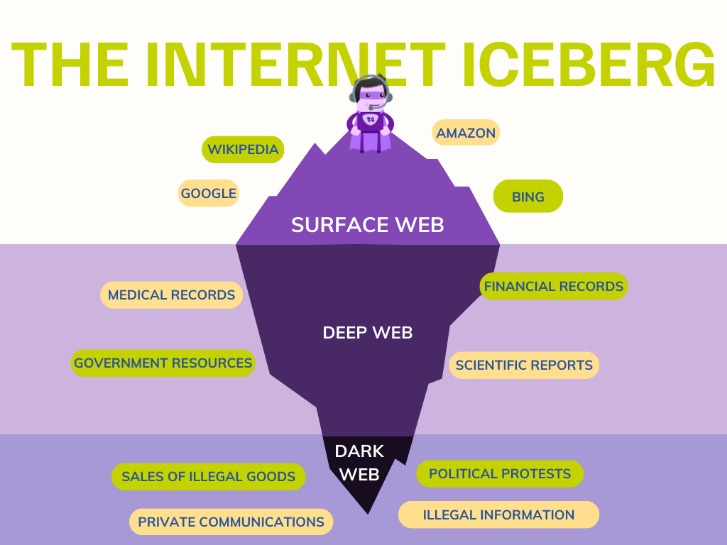
That includes private databases, medical records, academic journals, subscription-based sites, your email account, and other corners of the web that require login credentials to access. The deep web consists of all parts of the web that aren’t indexed by standard search engines like Google. Unlike many search engines that avoid the darkest corners of the web, Kilos actively delves into these areas without filtering search results. Kilos specializes in locating and accessing dark web markets, many of which are focused on illegal drug trades. Ahmia is a versatile search engine that works with both surface web and dark web sites.
Onion sites (aka Tor sites) are websites only accessible on the dark web; you can’t view them using a regular browser. Scroll on to learn more about dark web links (also called Tor links or onion sites), get the right links for some of the best Tor sites, and find out how to visit them safely. The Sitemap Protocol (first developed and introduced by Google in 2005) and OAI-PMH are mechanisms that allow search engines and other interested parties to discover deep web resources on particular web servers. Commercial search engines have begun exploring alternative methods to crawl the deep web. Researchers have been exploring how the deep web can be crawled in an automatic fashion, including content that can be accessed only by special software such as Tor. It would be a site that's possibly reasonably designed, but they didn't bother to register it with any of the search engines.
How Does the Dark Web Work?
The dark web operates on a unique infrastructure that emphasizes anonymity:
- Tor Network: The most common way to access the dark web is through the Tor browser, which routes your internet traffic through multiple servers, encrypting it at each step.
- Onion Routing: Websites on the dark web often have addresses ending in ".onion." These addresses cannot be accessed through standard web browsers.
- Anonymity: Users are often drawn to the dark web for privacy reasons, whether for social activism, avoiding surveillance, or participating in sensitive discussions.
What Can You Find on the Dark Web?
The dark web hosts a variety of content, including:
- The majority of the illicit information shared on Dread is in relation to data leaks and selling data freely.
- Clicking the wrong link from a dark web search engine can trigger malware infections, data theft, or access to ransomware.
- On the surface web, Google will blacklist obviously harmful or illegal sites.
- Check out our list of the best dark web links and how to navigate onion and Tor sites safely.
- Even accidental exposure to illegal content can result in legal consequences.
- Forums: Communities discussing topics that may be taboo or illegal.
- Marketplaces: Sites that sell both legal and illegal goods, including drugs, weapons, and counterfeit items.
- Whistleblower Platforms: Safe spaces for individuals to share sensitive information.
- Educational Resources: Some content is dedicated to educating users about privacy, encryption, and security.
Risks and Precautions
While the adresse dark web can offer anonymity, it is crucial to approach it with caution:
- Legal Risks: Engaging with illegal activities can lead to serious legal consequences.
- Scams: Many sites are fraudulent, making it easy to lose money or fall victim to scams.
- Malware: The risk of encountering malicious software is higher on the dark web, which could compromise your device and personal information.
- Use a VPN: Consider using a Virtual Private Network (VPN) in addition to the Tor browser to enhance your anonymity.
Frequently Asked Questions

What is the difference between the surface web and the dark web?
The surface web is the part of the internet accessible via standard search engines and browsers. The dark web is a small, hidden section that requires special software to access.
Can you access the dark web without Tor?
While Tor is the most common method, there are other tools and networks, but they may not provide the same level of security and anonymity.
Is everything on the dark web illegal?
No, while many illegal activities occur on the dark web, there are also legitimate uses such as privacy-focused forums and educational resources.
Understanding the concept of adresse dark web is vital for navigating this complex part of the internet safely. By being informed about its workings and the associated risks, users can better protect themselves while exploring this hidden online landscape.