

Ultimately, while black market accounts may offer short-term solutions for financial secrecy, the long-term consequences can be severe. The motivations for utilizing black market bank accounts can vary significantly, ranging from legal tax avoidance to illegal activities. Incidentally, this has also tanked the black market cost of stolen accounts to such services. The black market for identity data is an underground, illegal marketplace, often operating on the dark web, where stolen personal information is bought and sold. This technique bridges the gap between the digital and physical black markets, enabling access to both personal and financial data.
Money laundering and fraud tactics often involve the use of fake bank accounts to disguise the origins of illicit funds. Criminals exploit these accounts to layer transactions, making it difficult for authorities to trace the origin of dirty money. By combining illegal bank accounts with seemingly authentic social media profiles, fraudsters can execute more sophisticated scams.
But a 2021 Brookings Institute found that Black borrowers and depositors face serious challenges when attempting to access services. Investing in Black-owned banks can provide much-needed resources and services to help reverse these inequalities. Active for a decade since 2014, it is a widely used credit card shop used to source stolen credit card information such as dumps, CVVs, Wholesale Accounts. But as mentioned, this is a highly dynamic market in which prices of stolen digital data will vary over time, often wildly.
In a world where financial security is paramount, understanding the mechanics of money management is crucial. Among the various methods people use to safeguard or manipulate their finances, the concept of a black market bank account has emerged as a topic of significant interest. This article aims to educate readers about the implications, risks, and reasons behind the existence of such accounts, fostering awareness and informed decision-making.
Black Market Bank Account

A black market bank account refers to a financial account that operates outside the legal and regulatory framework established by governmental authorities. These accounts are often set up to facilitate various illicit activities, including money laundering, tax evasion, or transactions that are prohibited by law. However, it’s essential to understand this concept from a broader perspective, recognizing both the motivations and the consequences involved.
Reasons People Seek Black Market Banking Services
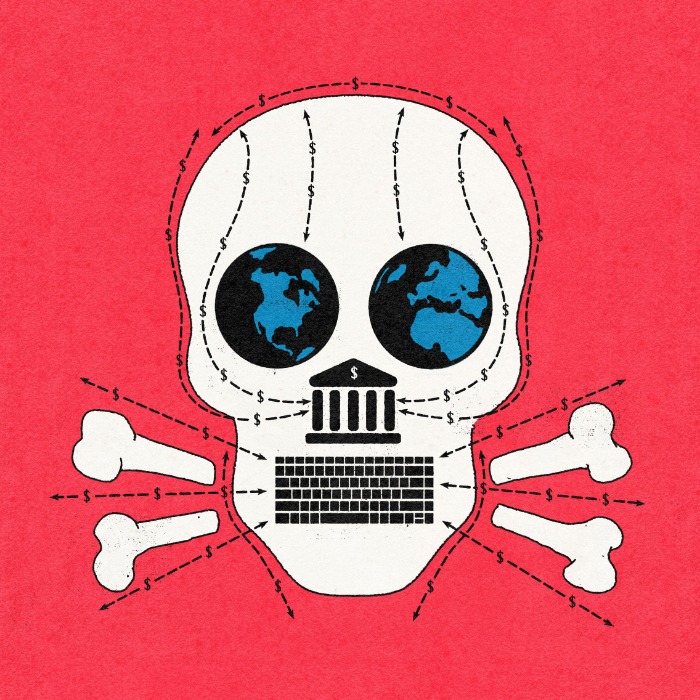
- Privacy Concerns: Some individuals desire anonymity in their financial transactions, fearing scrutiny from governments or corporations.
- Access to Funds: For some, traditional banking systems may deny them access to financial services due to poor credit history or legal issues.
- Tax Evasion: Individuals might attempt to hide income from tax authorities to evade taxation.
- Supporting Illegal Activities: Funds may be required to support operations of businesses that are not in compliance with local laws, such as drugs or unregulated gambling.
Risks Associated with Black Market Bank Accounts
While the allure of a black market bank account might be strong, engaging in such dealings can lead to several legal and financial risks, including:
- But as slavery continued, the bank did not serve all Americans.
- Like other deposit accounts, money market accounts are insured by the FDIC or NCUA, up to $250,000 held by the same owner or owners.
- Black-owned banks in Black communities can offer access to FDIC-insured checking and savings accounts, financial literacy programs, reasonable loans, and more.
- Since the time when Black people in America secured the right to earn capital for their labor following emancipation, they have faced systemic financial discrimination with respect to banking access and fees.
- Engaging in anonymous banking may seem appealing, but it can also expose one to legal repercussions and financial instability.
- Legal Consequences: Being involved in illegal banking activities can result in criminal charges, fines, and imprisonment.
- Financial Loss: Funds in such accounts are often unprotected, making individuals vulnerable to scams or theft.
- Lack of Consumer Protections: Unlike traditional financial systems, illegal banking services offer no recourse for fraud or lost funds.
- Reputation Damage: Association with black market activities can severely tarnish one’s personal and professional reputation.
Frequently Asked Questions
1. Are black market bank accounts illegal?
Yes, they are illegal as they operate outside the realm of regulated financial systems and often facilitate criminal activities.
2. What are the consequences of using a black market bank account?
Consequences can include severe legal action, financial loss, and damage to one’s personal and business reputation.
3. How are black market bank accounts typically accessed?
- Industrial Bank partners with Kasasa to offer higher interest rates.
- So unlike credit cards, prices for PayPal accounts and transfers have gone up during the pandemic by 293 percent.
- Quality and validity of the data it provides justify its higher cost over other marketplaces.
- Once this information is gathered, it’s packaged and sold as black market data to other criminal networks.
- This happens when people or businesses leave out earnings from official records to avoid paying taxes or being monitored, whether the money comes from illegal or legal activities.
These accounts are usually accessed through unregulated financial networks and may be promoted through word of mouth or illicit online forums.
Conclusion
The existence of black market bank accounts is a reflection of the complexities within financial systems and the lengths to which individuals may go to secure their financial needs. While there may be tempting reasons to explore these avenues, the associated risks greatly outweigh any perceived benefits. Educating oneself about legal financial practices and seeking legitimate avenues for banking needs is always the best route to take.