
In the digital age, the internet has become a double-edged sword, providing access to invaluable information while also facilitating illegal activities. Among these darker corners of the web, black market websites credit cards stand out as a significant issue. Understanding how these platforms operate is crucial not only for personal safety but also for protecting financial information. This article will delve into the mechanics of these websites, their implications, and precautionary measures one can take against potential threats.
What's more, there were reportedly several thousands of transactions. Dark Web Price Index 2022 shows market growth and product price plummet These tools offer consumers the most effective way to defend against carding attacks. Carding has long been a prevalent form of online crime—and it remains a serious threat. Transactions can be quickly flagged or blocked, making fraud attempts risky and unreliable.
Can I use my CLUB card for international transactions without incurring foreign transaction fees? This includes purchases in-store, online, over the phone, and with our Signature Events. If you think someone used your account without permission, tell us immediately by calling the Cardmember Services number on your card or billing statement. The Gift Card cannot be used for other gift card purchases.
Black Market Websites Credit Cards
The term black market websites credit cards refers to online platforms that facilitate the buying and selling of stolen credit card information. These illicit marketplaces often operate on the dark web, using encryption and anonymity to shield their activities. Transactions on these sites can occur in various cryptocurrencies, making them hard to trace.
How Black Market Websites Operate
Black market websites generally function on a supply-and-demand basis. Cybercriminals steal sensitive personal information, typically through phishing attacks, data breaches, or malware. Once acquired, this data is sold in bulk or individually on various black market platforms. Each stolen credit card usually includes crucial details, such as the card number, expiration date, and sometimes even the CVV security code.
Publicly verifiable scale metrics are limited, but its roughly six-month lifespan suggests it was relatively short-lived compared to multi-year markets, consistent with the high churn rate reflected in the EUDA market-lifecycle data. Aurora Market was a darknet marketplace tracked from 02 November 2020 to 04 May 2021, with its closure reason recorded as an exit scam in the EUDA dataset. As a multi-vendor darknet market, Tor2door fits the common “general marketplace” pattern seen across the ecosystem (often spanning contraband plus fraud/cybercrime-adjacent offerings). Tor2door Market was a darknet marketplace tracked in the EUDA dataset from 03 July 2020 until 14 September 2023, with its closure recorded as an exit scam.
Types of Credit Card Information Available
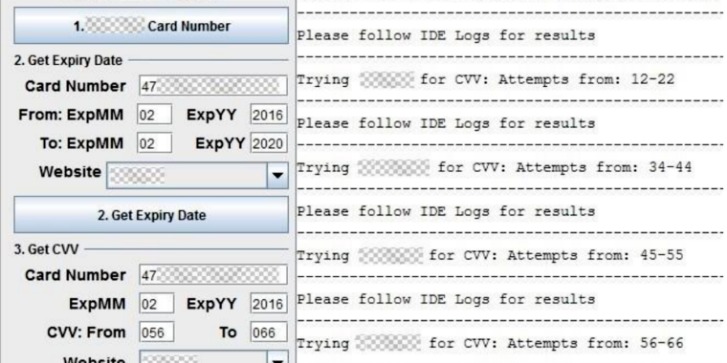
There are several types of credit card information that can be found on these black market platforms, including:
- The illicit nature of credit card sites thrives in the shadows of the internet, where anonymity and encryption shield illegal activities.
- These technologies can significantly reduce fraud by providing an extra layer of verification beyond traditional PINs and passwords.
- Fraud detection systems are essential for mitigating the risks posed by black market transactions involving stolen credit cards.
- Platforms such as UniCC function as an underground marketplace wherein credit card details stolen from online retailers, banks, and payments companies by injecting malicious skimmers are trafficked in exchange for cryptocurrency.
- This is a staggering amount, and it’s no wonder that financial institutions are taking steps to prevent the sale of stolen credit card information.
- Stolen credit card details can be categorized into different types, making it easier for cybercriminals to exploit them.
- Full credit card details: This includes the card number, name, expiration date, and CVV.
- Carding services: These involve tutorials or software designed to help criminals use stolen credit card information effectively.
- CC dumps: This is a collection of stolen card information often packaged for sale in bulk formats.
Risks Involved with Black Market Websites
The risks of engaging with black market websites credit cards extend beyond the immediate loss of money or identity. Individuals whose information is compromised face potential legal issues, as stolen credit card activity can lead to investigations by law enforcement. Additionally, connecting with these sites can expose users to malware, hacking attempts, and further breaches of privacy.
Preventative Measures to Protect Against Fraud
Awareness is the first step towards safeguarding your personal and financial information. Here are several measures to help protect against the dangers associated with black market websites credit cards:
- Use secure payment methods: Opt for services that offer added layers of security, such as virtual credit cards or payment platforms that allow for anonymity.
- Regularly monitor financial statements: Keep a close eye on your bank and credit card statements for any unauthorized transactions.
- Employ cybersecurity measures: Utilize firewalls, antivirus software, and strong, unique passwords to mitigate risks.
Conclusion
Understanding the mechanics of black market websites credit cards and the risks they carry is vital in today’s digital landscape. By staying informed about these threats and implementing strong preventative strategies, individuals can significantly reduce their risk of becoming victims of credit card fraud. Knowledge is power, and in this case, it can indeed help save lives and safeguard financial futures.